How to Learn Circassian in 2026
A practical guide for anyone who wants to start learning the Circassian language, whether Kabardian or Adyghe.
So you want to learn the Circassian language. Maybe you are part of the diaspora and want to reconnect with your roots. Maybe you heard about the Adyghe people and got curious. Maybe someone in your family speaks Kabardian and you want to understand them. Whatever your reason, the question is the same: where do you start?
The honest truth is that learning Circassian is harder than learning Spanish or French. There are fewer resources, fewer speakers to practice with, and the language itself is genuinely complex. But it is absolutely possible. And in 2026, there are more tools available than ever before.
Step 1: Choose Your Dialect
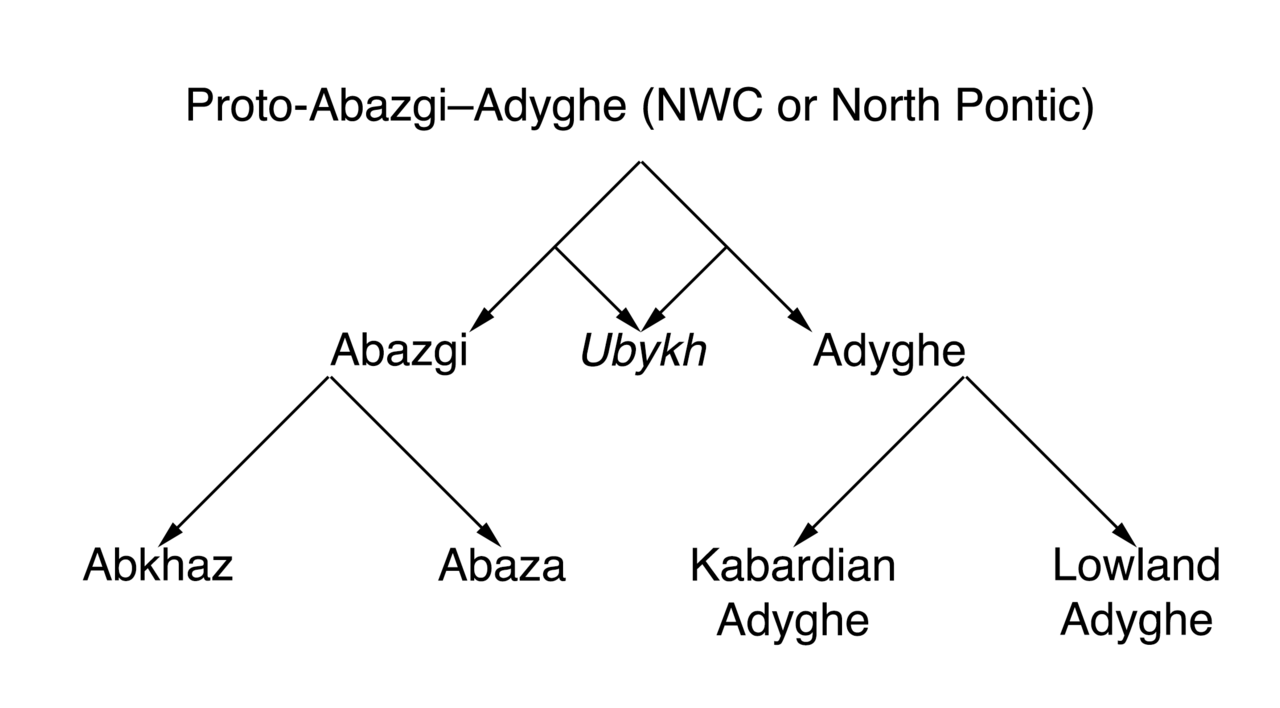
The first decision you need to make is whether to learn Kabardian (East Circassian) or Adyghe (West Circassian). If your family is Kabardian, learn Kabardian. If your roots are Shapsug, Abzakh, or from Adygea, go with Adyghe.
If you have no family connection, Kabardian is the safer bet. It has more speakers (~1.6 million vs ~600,000) and slightly more learning resources available.
Step 2: Learn the Alphabet
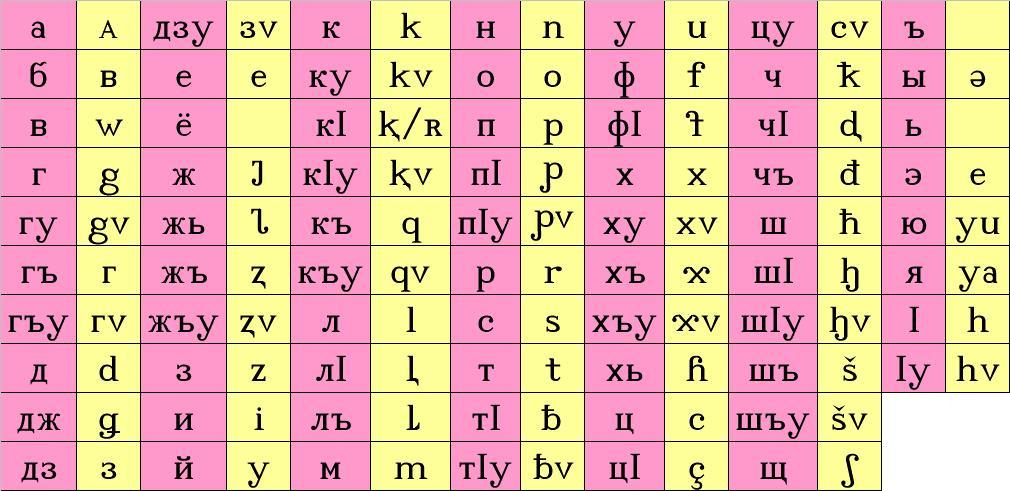
The Circassian alphabet is based on Cyrillic with additional letters. If you already know Russian, you have a big head start. If not, learning the Cyrillic base first will make everything easier.
Focus on the unique Circassian letters: the palochka (1), digraphs like Гъ, Къ, Хъ, and trigraphs like Кхъ. Use audio resources to hear each sound. Many of these sounds do not exist in English, Russian, or Turkish, so your ears need training.
Step 3: Build Core Vocabulary
Start with the most essential words: greetings (Уи махуэ ф1ыц1э), family words (анэ, адэ, къуэш), numbers (зы, т1у, щы), and everyday vocabulary (псы, шхын, унэ). Aim for 50-100 words before you start trying to form sentences.
Use flashcards, spaced repetition apps, or language learning apps specifically designed for the Circassian language. Audio pronunciation is critical because the sounds are so different from other languages.
Step 4: Listen to Native Speakers
Immersion is harder with Circassian than with widely spoken languages, but it is not impossible. YouTube has Circassian music, interviews, and cultural content. Social media groups in Adyghe and Kabardian post daily content. Circassian radio stations from Adygea and Kabardino-Balkaria stream online.
Even if you do not understand everything, exposing your ears to the rhythm and sounds of the language is one of the most effective things you can do early on.
Step 5: Learn Habze Alongside the Language
The Circassian language and Habze are deeply connected. Many cultural concepts in Habze are embedded in the language itself. Words like адыгагъэ (Circassianness), нэмыс (respect), and напэ (honor) carry layers of meaning that go beyond simple translation.
Learning Habze alongside the language gives you context that makes vocabulary stick. It also connects you to the culture in a way that purely linguistic study cannot.
Step 6: Practice with People
Find Circassian communities near you or online. The Circassian diaspora is active on social media, and many communities are welcoming to learners. Attending cultural events, joining online groups, and connecting with native speakers will accelerate your progress more than any textbook.
Step 7: Be Patient
The Circassian language is objectively difficult. The consonant system alone can take months to master. The grammar is polysynthetic, meaning single words can contain what would be entire sentences in English. Verb conjugation is complex.
But here is the thing: every word you learn matters. Even basic conversational Circassian is meaningful. When you can greet an elder in Kabardian, or say "thank you" in Adyghe, it carries cultural weight. You do not need to be fluent to make an impact. Many heritage learners (people with Circassian roots who did not grow up speaking the language) start with basic vocabulary and greetings and gradually build from there. Perfection is not the goal. Participation is.
It also helps to set realistic expectations. If you are learning Circassian as a first-time adult learner with no prior exposure, basic conversational ability might take a year or more of consistent study. If you grew up hearing the language and have passive comprehension, you may progress much faster. Either way, the key is consistency: regular practice, even 15-20 minutes a day, is more effective than occasional long study sessions.
Resources for Learning Circassian
Language learning apps with Circassian content, native speaker audio, and structured lessons are the most efficient starting point for independent learners. Look for resources that include audio from real native speakers, not synthesized speech. The sounds of the Circassian language are too unusual for text-based learning alone. The difference between К, К1, Къ, and Кхъ is something your ears need to learn from real pronunciation.
Beyond apps, useful resources include: YouTube channels with Circassian language content (search for Adyghe or Kabardian language lessons), Telegram groups where people communicate in Circassian, Circassian music (listening to songs builds familiarity with sounds and rhythm), and community-run weekend classes if you live near a Circassian cultural center. For academic resources, the Kabardino-Balkarian and Adyghe State Universities have published textbooks and dictionaries, though many are in Russian.
The Circassian language is at risk. UNESCO classifies both Kabardian and Adyghe as vulnerable. Every person who learns even a little bit helps push back against that decline. Your decision to learn is not just personal. It is an act of cultural preservation for one of the most unique and endangered languages on earth.
Start Learning Circassian
2,000+ words, native speaker audio, Habze culture lessons, and a full alphabet course. Available in English, Russian, and Turkish.
Get the App