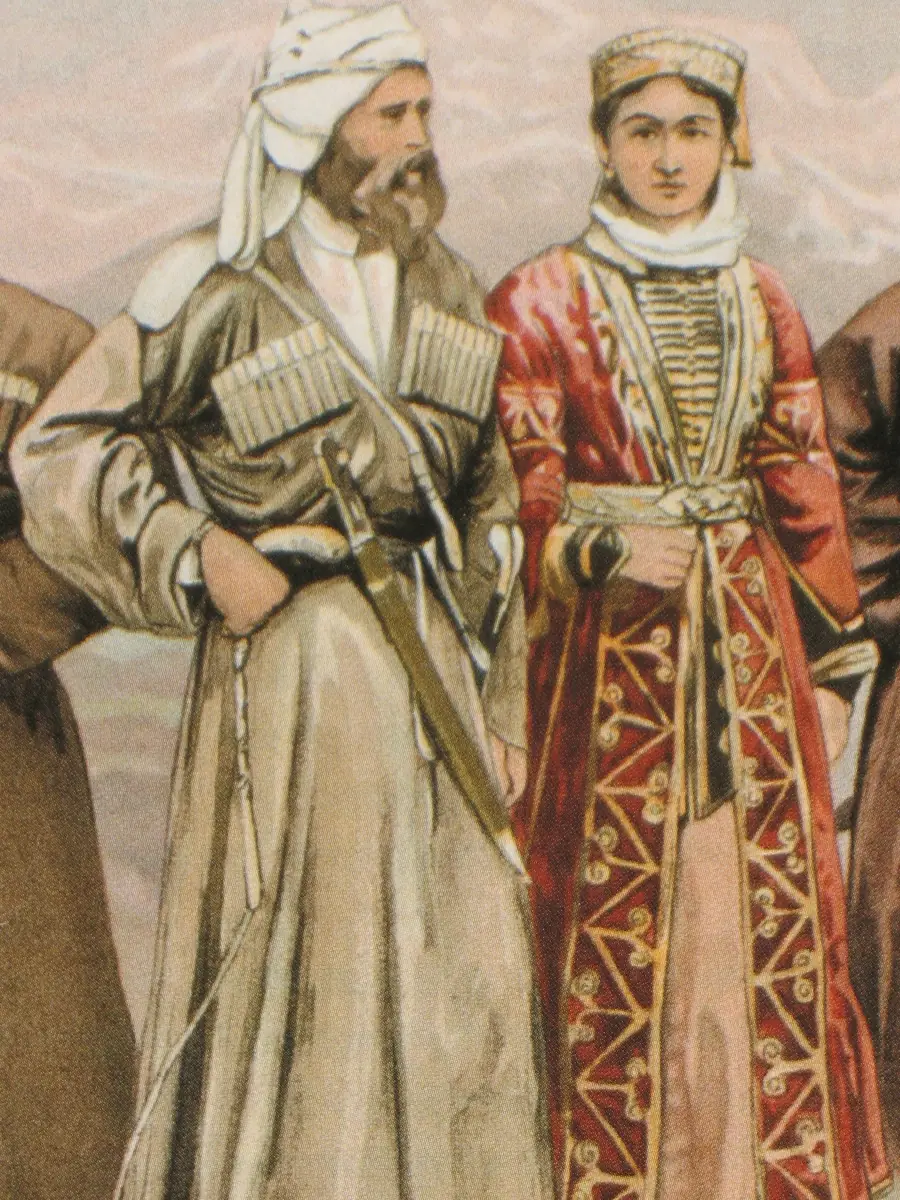
Few outfits are as recognisable as traditional Circassian clothing: the long, fitted coat with rows of cartridge pockets across the chest, the sheepskin papakha, the narrow belt with a dagger in front, and, for women, a floor-length dress trimmed with gold. This guide explains each piece, what it was for, and what it is called in Kabardian and Adyghe.
The history comes from Wikipedia’s articles on Circassian and Caucasian dress, and the Circassian words from the app’s own lessons and two dictionaries. Sources are listed at the end.
The cherkeska: the Circassian coat
The word cherkeska is Russian: the coat was named after the Circassians, and every people of the Caucasus has its own word for it. In Kabardian it is цей and in Adyghe цые. The Kabardian dictionary gives цей two meanings, the coat itself and the homespun woollen cloth it was made of.
The cherkeska is a single-breasted coat without a collar, open in a deep V at the chest to show the beshmet, the close-fitting undercoat worn beneath it. It is fitted at the waist, reaches just below the knee and is always worn fastened and belted. Young warriors wore wide, short sleeves that left the arms free in a fight; only old men had long sleeves to keep their hands warm.
Colour once showed rank. Everyday coats were black, brown or grey; in Kabarda a white cherkeska, like a white papakha or burka, was reserved for the nobility. Wikipedia’s article on the Adyghe gives the full scale: white for princes (пщы), red for the nobles called уэркъ, and grey, brown or black for everyone else. In the 19th and early 20th centuries a boy got his first cherkeska at around ten to twelve, a sign that he was growing into a man.
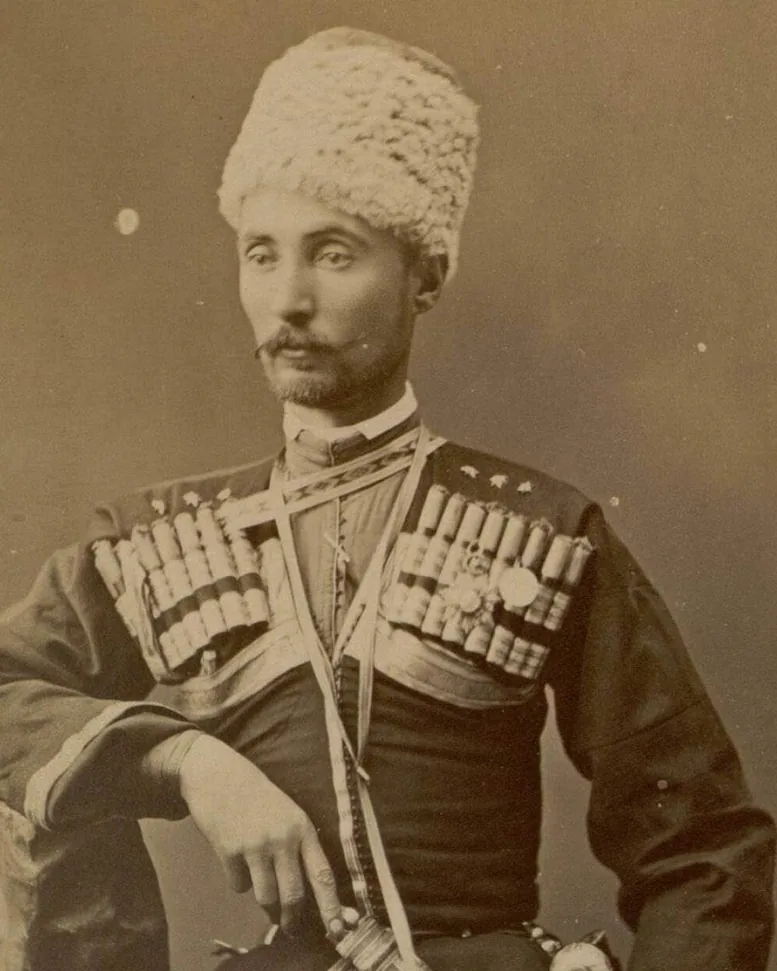
The coat in its modern form took shape by the 16th and 17th centuries, and Kabarda set the style that neighbours copied. Terek and Kuban Cossacks adopted the whole outfit, gazyrs included.
Gazyrs: the cartridge pockets
The rows of tubes across the chest are gazyrs. The word comes from Turkish hazır, “ready”, and the Kabardian хьэзыр explains it: “ready cartridges”. Each tube, usually of bone, held a measured charge of gunpowder and a bullet cast for the owner’s own gun, so he could reload a flintlock at full gallop. The outermost pockets, almost under the arms, held dry kindling for a fire, and later percussion caps.
In the 18th century gazyrs were carried in leather pouches; only later were the pockets sewn onto the coat itself. It was customary to have about eight on each side of the chest. Today they are decorative, and the Kabardian dictionary has a word for that too: the second meaning of хьэзыр is the bone tubes that imitate cartridges.
Papakha, bashlyk and burka
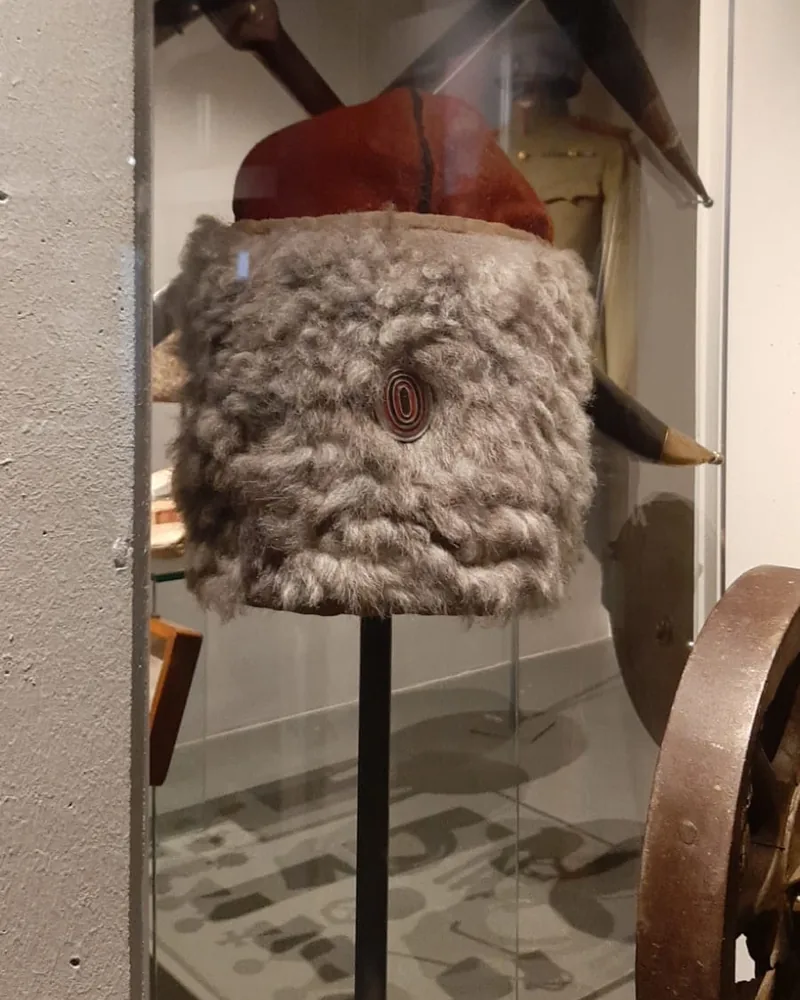
The papakha is the tall sheepskin hat, often made of karakul. In Kabardian a hat is пыIэ, in Adyghe паIо, and the dictionary has бухъар пыIэ for a karakul hat. Among the mountain peoples of the Caucasus a man’s hat was a large part of who he was, and in 1855 the Russian army made the papakha part of the Cossack uniform.
The bashlyk is a pointed hood with long tails that wrap round the neck, worn over the hat in winter: бащлъыкъ or щхьэрыхъуэн in Kabardian, шъхьарыхъон in Adyghe. The burka is a sleeveless felt cloak worn by men across the Caucasus: щIакIуэ in Kabardian, кIакIо in Adyghe.
The belt, the kama and the shashka
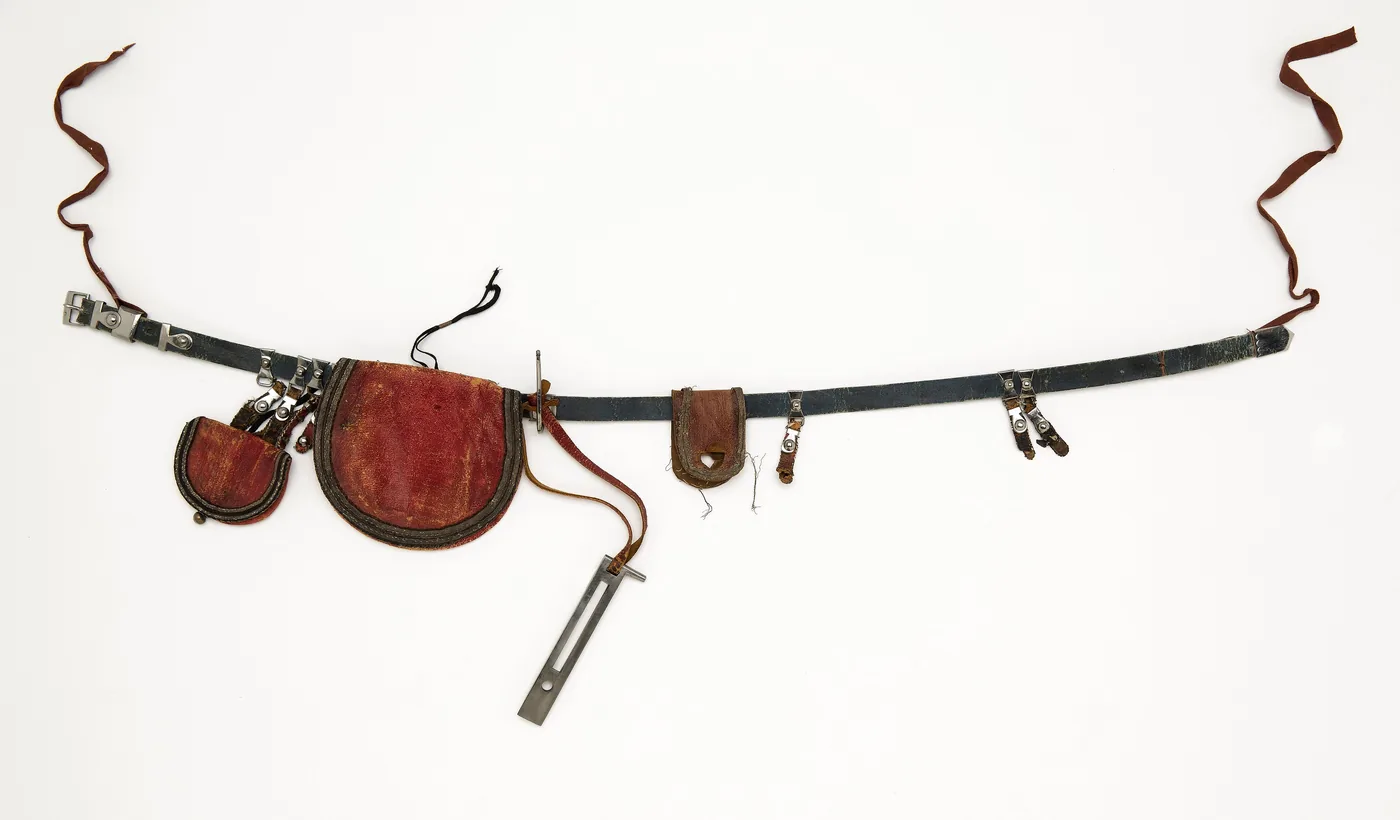
The cherkeska was always belted with a narrow leather belt, бгырыпх in both dialects. Its buckle doubled as a fire steel for striking sparks, and a Kabardian man’s belt carried silver plates. The kama dagger, къамэ, was worn in front, and it was as much a part of the costume as the shashka, сэшхуэ. Their hilts and sheaths were decorated with blackened (niello) silver, and the shashka’s scabbard with galloon and gold embroidery, work that young women did.
Below the coat, men wore leggings, лъей, of thin leather with silver buckles, and soft morocco shoes, chuviaks. Even the bow and quiver counted as part of a rider’s dress. For the blades themselves, read the Circassian shashka and kama.
60-second lesson
Five Circassian clothing words
The coat, the hat and the shoes: here is what they are called. Tap a word to hear it in Kabardian (East) and Adyghe (West), then take the quiz: the app’s own question, five rounds.
The quiz needs JavaScript.
In the app, questions like these are in every lesson, and the words you get wrong come back for review sooner.
All the clothing words, in both dialects, with example sentences: Clothes in Circassian. In the app they are in the “Clothing” unit (Section 5, Daily Life).
Women’s traditional dress
Women’s clothing was varied and richly decorated, and like men’s it showed rank. The main garment was a long dress, open at the chest, бостей in Kabardian. Festive dresses were sewn from bought silk, velvet or taffeta, in white, red, black or brown rather than bright mixed colours. Their edges were trimmed with galloon woven from gold and silver thread, the hem and sleeves were embroidered in gold, and long pendants embroidered with gold hung from the sleeves.
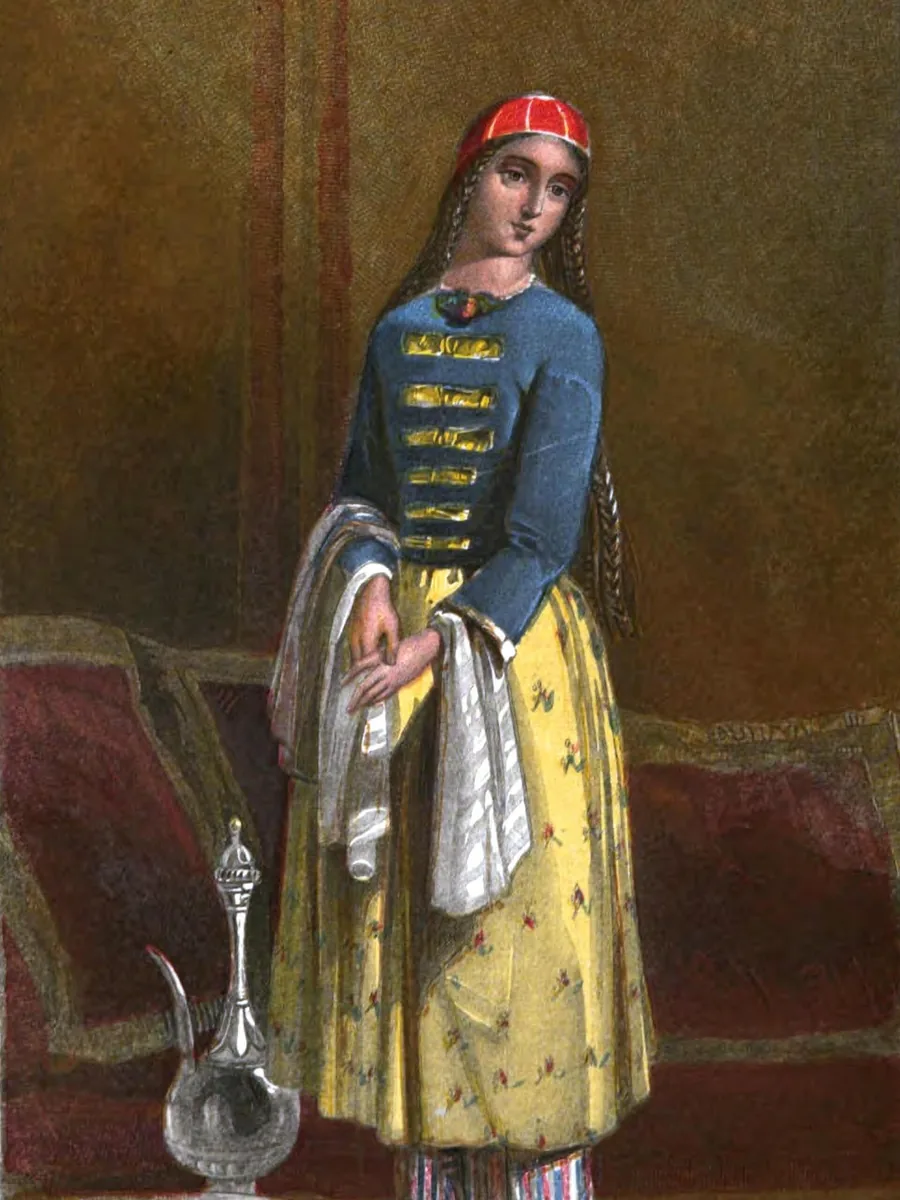
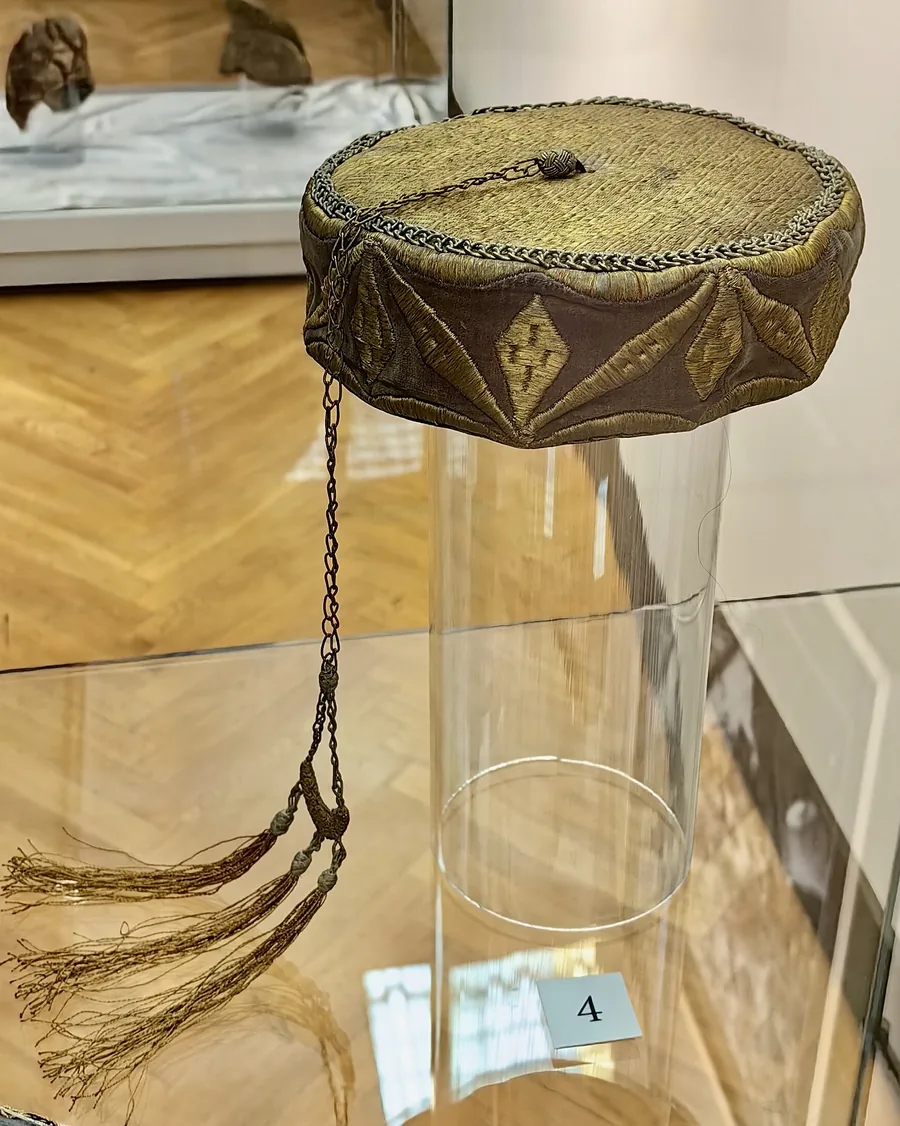
Over or instead of the dress came a short kaftan with a closed chest, a dense row of silver clasps and a standing collar. Kabardian women wore belts and breastplates of silver and gold, a cap embroidered with gold and soft morocco shoes. Girls wore a leather corset from puberty until their wedding.
Circassian clothing words in Kabardian and Adyghe
East and West say many of these differently. Words with a play button come from the app’s lessons, with the app’s audio.
| Meaning | Kabardian | Adyghe |
|---|---|---|
| the cherkeska (Circassian coat) | цейtsey | цыеtsəye |
| hat | пыIэpy'e | паIоpa'o |
| bashlyk (hood) | бащлъыкъ | шъхьарыхъон |
| burka (felt cloak) | щIакIуэ | кIакIо |
| belt | бгырыпхbgyrypkh | бгырыпхbgərəpkh |
| dagger (kama) | къамэ | къамэ |
| sword | джатэdzhate | чатэchate |
| shoes | вакъэvaqe | цуакъэtswaqe |
| shirt | джанэdzhane | джанэjane |
| wool | цыtsy | цыtsə |
Circassian clothing today
The cherkeska has long since left everyday life, but it remains the outfit for celebrations, and only some families still own a full costume and wear it on holidays. Adygea marks the Day of the national Adyghe (Circassian) costume every year on 28 September, the birthday of the designer Yuri Stash, who did much to make the costume known; 2026 was the 15th time.
The fighters in the Circassian app’s Sword Duel and Archery Duel are dressed this way: a karakul papakha, gazyrs with silver caps, a leather belt with silver plates and a kama at the waist. The app also has four short Habze lessons on traditional dress, and two lessons of clothing words in each dialect.
Free on iPhone & Android
Learn the language behind the clothes
Short lessons in Kabardian or Adyghe, Habze lessons on Circassian traditions, and duels fought in cherkeskas.

4.9 on the App Store 53,000+ people in 100+ countries
Circassian clothing: frequently asked questions
What is the traditional Circassian coat called?
In Russian and English it is the cherkeska, named after the Circassians. In Kabardian it is цей, which also means homespun woollen cloth, and in Adyghe цые.
What are the pockets on a cherkeska for?
They are gazyrs: tubes that held a measured charge of gunpowder and a bullet, so a rider could reload his gun at full gallop. Today they are decorative.
How many gazyrs does a cherkeska have?
It was customary to have about eight gazyrs on each side of the chest.
What do Circassian women traditionally wear?
A long dress open at the chest, of silk or velvet for festive wear, trimmed with gold and silver galloon and gold embroidery, with a short kaftan, a belt and breastplate of silver or gold, and a gold-embroidered cap.
What does a white cherkeska mean?
In Kabarda a white cherkeska, like a white papakha or burka, was reserved for the nobility; everyday coats were black, brown or grey.
When is Adyghe Costume Day?
Adygea celebrates the Day of the national Adyghe (Circassian) costume on 28 September.
Sources
- Wikipedia (Russian), “Cherkeska”, “Adyghe people” (section “Clothing”) and “Kabardians”.
- Wikipedia, “Chokha”, “Gazyr”, “Papakha” and “Bashlyk”.
- M.L. Apazhev, Dzh.N. Kokov, Kabardino-cherkessko-russky slovar (Kabardino-Cherkess–Russian Dictionary), Nalchik: Elbrus, 2008: цей p. 555, хьэзыр p. 536, бащлъыкъ p. 34, бухъар пыIэ p. 51, щIакIуэ p. 608, къамэ p. 221, сэшхуэ p. 400, лъей p. 308, бостей p. 50, уэркъ p. 445, пщы p. 379.
- Adyghe dictionary, dovlet.info: шъхьарыхъон, кIакIо, къамэ. Everyday words in both dialects: the Circassian app’s lessons.
- RuNews24, on the Day of the national Adyghe costume, 28 September 2026.
Want more like this?
The app has 64 short lessons on Circassian traditions, including four on traditional dress. Plus a course in Kabardian or Adyghe to learn the language behind them.
Download free53,000+ people in 100+ countries
