Circassians in Jordan: A Living Heritage
How a small but influential community has shaped the Hashemite Kingdom for over 150 years.
The Circassian community in Jordan may be small in numbers, but its influence is outsized. Circassians helped settle and build Amman, the country's capital, in the late 19th century. They serve in the prestigious Royal Guard. They hold positions in government, business, and the military. And they have maintained their Adyghe identity with remarkable dedication.
How Circassians Came to Jordan
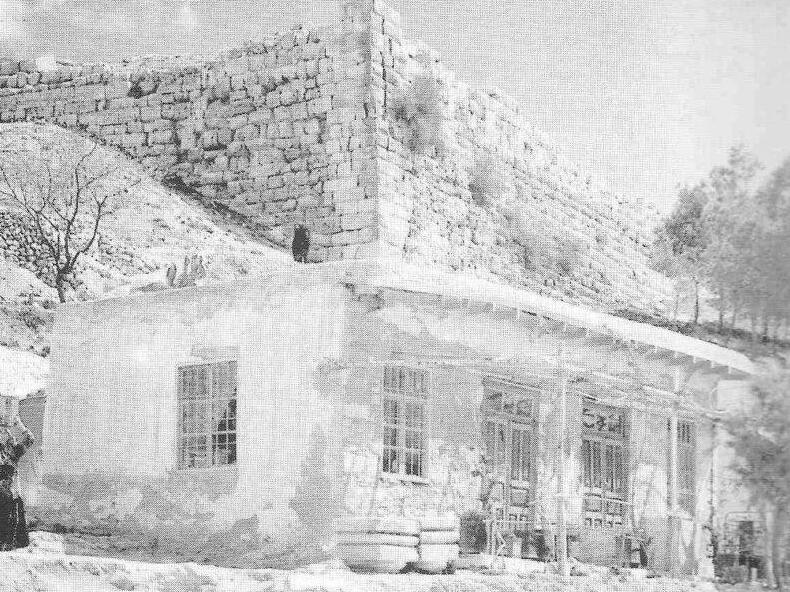
Adyghe settlers arrived in what is now Jordan beginning in the 1870s, part of the massive displacement from the Caucasus following the end of the Russo-Circassian War in 1864. The Ottoman government strategically settled them in areas that were largely depopulated, including the ancient ruins of Amman (the Roman city of Philadelphia). The Circassians did not just settle in Amman; they effectively re-founded it, turning abandoned ruins into a functioning town that would eventually become the capital of a modern kingdom.
The settlers brought agricultural knowledge from the Caucasus, introducing farming techniques suited to the local terrain. They built stone houses, established marketplaces, and created the basic infrastructure of a community. Their experience with organized governance, rooted in Habze traditions of community decision-making, helped establish civic order. Other Circassian settlements were established in Wadi al-Sir, Naour, Sweileh, and Jerash, forming a network of Adyghe communities across what would become Jordan.
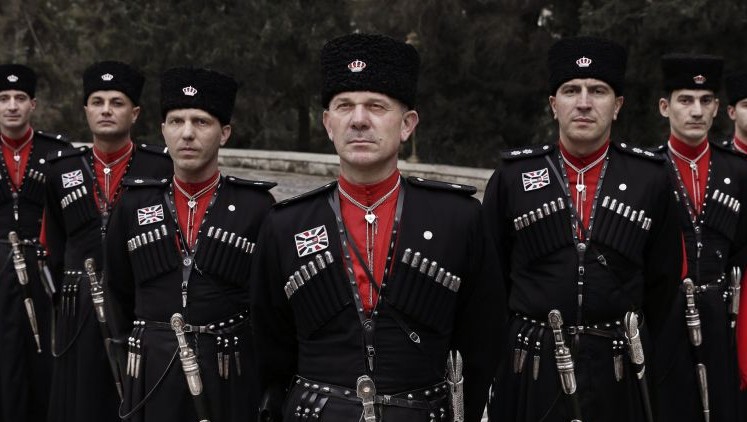
The Circassian Royal Guard
Perhaps the most visible symbol of Circassian presence in Jordan is the Circassian Royal Guard. Dressed in traditional Circassian military attire, the guard has served the Hashemite monarchy since the founding of the country. It is a point of deep pride for the Circassian community and a recognition of the trust placed in them by the Jordanian state.
Cultural Preservation in Amman
The Circassian community in Amman maintains one of the most active cultural preservation programs in the global diaspora. The Circassian Charity Association (founded in 1932, one of the oldest such organizations in the world) runs language classes, dance troupes, and cultural events throughout the year. Annual festivals celebrate Circassian heritage, featuring traditional dance, food, and music.
Several Circassian neighborhoods in Amman retain their distinct character. Circassian restaurants serve traditional dishes like chicken in walnut sauce and Adyghe cheese. Weddings are major community events with full traditional dress, music, and dancing. The Kabardian and Adyghe languages are spoken in many families, particularly by the older generation, though younger Jordanian Circassians increasingly use Arabic as their primary language.
Circassians in Jordanian Society
Circassians hold constitutionally reserved seats in the Jordanian parliament, a recognition of the community's historical role in building the nation. This parliamentary representation is guaranteed regardless of election outcomes, ensuring a permanent Circassian voice in Jordanian politics. Beyond parliament, Circassians serve in senior military and government positions, in the judiciary, and in business leadership.
The relationship between the Circassian community and the Hashemite royal family has been close since the founding of Transjordan. Circassians were among the earliest supporters of the Hashemite monarchy, and this loyalty has been reciprocated with consistent royal patronage of Circassian cultural events and institutions. The community's influence in Jordanian politics, business, and culture is disproportionately large relative to its size, a testament to both the community's capabilities and the inclusive approach of the Jordanian state.
"Circassians did not just come to Jordan. They helped build it."
Language Preservation Challenges
Language preservation remains the biggest challenge facing Jordan's Circassian community. While older generations still speak Adyghe or Kabardian at home, younger Jordanian Circassians increasingly use Arabic as their primary language. The pattern is familiar across the diaspora: each generation speaks a little less Circassian than the one before, and without active intervention, the language could disappear within a few generations.
Community organizations, family initiatives, and modern tools like language apps are working to reverse this trend. The Circassian Charity Association's language programs serve both children and adults. Social media groups where Jordanian Circassians post in Adyghe create informal digital spaces for language use. The growing availability of Circassian language learning resources online gives younger generations tools that previous generations did not have.
For Circassians in Jordan, maintaining the Adyghe language is essential to preserving their unique identity within Jordanian society. It connects them to their Caucasus roots, to the global Circassian diaspora, and to the cultural values of Habze that have defined their community for over 150 years in the Hashemite Kingdom.
Start Learning Circassian
2,000+ words, native speaker audio, Habze culture lessons, and a full alphabet course. Available in English, Russian, and Turkish.
Get the App