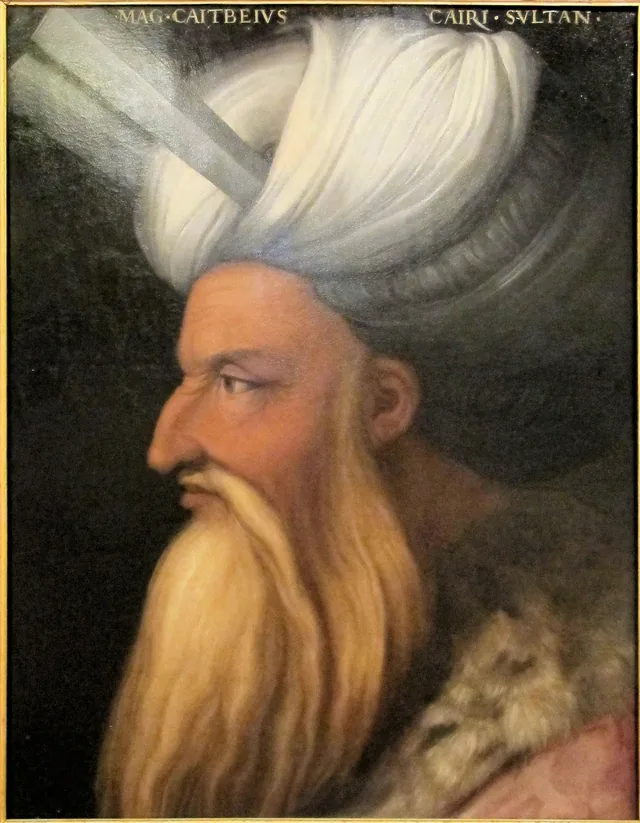
Famous Circassians include the Mamluk sultans who ruled Egypt from 1382 to 1517, mostly of Circassian origin, such as Barquq and Qaitbay; Inal, the prince of legend who united the Circassians; Maria Temryukovna, the Kabardian princess who married Ivan IV; Ottoman figures such as the grand vizier Çerkes Mehmed Pasha; and the writers who built Circassian literature, from Shora Nogmov to Iskhak Mashbash.
The Circassian people have left their mark far from the Caucasus: on the throne of Egypt, at the courts of Moscow and Istanbul, in the founding of Amman and in the books that gave the Circassian languages a literature. Here are some of the best-known Circassians in history, each checked against their own biography.
Famous Circassians at a glance
| Who | When | Known for |
|---|---|---|
| Barquq | sultan 1382–1399 | first Circassian-born Mamluk sultan of Egypt |
| Qaitbay | sultan 1468–1496 | Mamluk sultan and builder: the citadel of Alexandria |
| Inal | folklore | the prince who united the Circassians |
| Maria Temryukovna | tsaritsa 1561–1569 | Kabardian princess, wife of Ivan IV |
| Çerkes Mehmed Pasha | grand vizier 1624–1625 | Ottoman grand vizier |
| Tirimüjgan Kadın | 1819–1852 | mother of Sultan Abdul Hamid II |
| Shora Nogmov | 1794–1844 | Kabardian scholar, History of the Adyghe People |
| Ali Shogentsukov | 1900–1941 | founder of Kabardian literature |
| Tembot Kerashev | 1902–1988 | Adyghe writer |
| Iskhak Mashbash | 1930–2026 | poet, 80+ books in Adyghe |
| Ismael Babouk | 1841–1920 | first mayor of Amman |
| Beslan Mudranov | born 1986 | judoka, Olympic champion 2016 |
The Mamluk sultans
From 1382 to 1517 the Mamluk sultans of Egypt were mostly of Circassian origin. Barquq, born in Circassia, took the throne in 1382; Barsbay and Qaitbay, both Circassian by birth, followed. Qaitbay, sultan from 1468 to 1496 and a skilled archer and horseman, left at least 230 monuments, among them the citadel of Alexandria on the site of the ancient Lighthouse and his funerary complex in Cairo, the building on Egypt’s one-pound note. The whole story: the Circassian Mamluks.
Inal the Great
Inal is the prince of Circassian folklore who united all Circassians in one state; his title was “prince of princes”. Tradition makes his descendants the founders of princely dynasties among the Kabardians, the Besleney, the Chemguy, the Zhane and the Hatuqay. Inal is also a Circassian boy’s name (Circassian boy names).
Temryuk and Maria Temryukovna
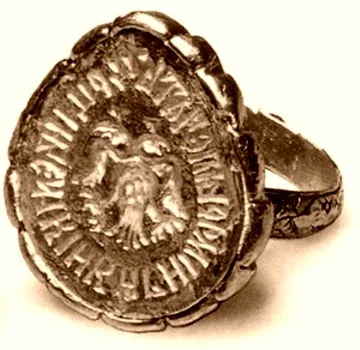
Temruqo, known in Russian as Temryuk, was a 16th-century Kabardian ruler who allied himself with Tsar Ivan IV. His daughter Kucheney, baptised Maria Temryukovna, became the tsar’s second wife and was tsaritsa from 1561 until her death in 1569. Her seal ring is kept in the State Historical Museum in Moscow.
Circassians in the Ottoman Empire
Circassians rose high in the Ottoman Empire. Çerkes Mehmed Pasha, “Mehmed Pasha the Circassian”, was grand vizier in 1624–1625. Tirimüjgan Kadın (1819–1852), a consort of Sultan Abdulmejid I, was of Shapsug Circassian ancestry and the mother of Sultan Abdul Hamid II. More on the community today in Circassians in Turkey.
Circassians in Jordan
Jordan’s Circassians are few but prominent. Ismael Babouk (1841–1920), a Kabardian among the first settlers of Amman, was the city’s first mayor, from 1909 to 1911. Sa’id al-Mufti was the ninth prime minister of Jordan; Toujan al-Faisal was the first woman in its parliament; and the singer Emanne Beasha, born in Amman in 2008, won Arabs Got Talent. More in Circassians in Jordan.
Writers and scholars
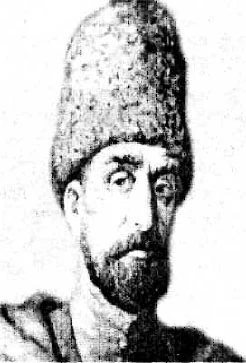
Shora Nogmov (1794–1844), a Kabardian educator, linguist and historian, began a grammar of Kabardian in the 1830s and wrote the History of the Adyghe People around 1838. Published in 1861, it holds the earliest written account of the Nart sagas. Ali Shogentsukov (1900–1941), teacher, writer and translator, is regarded as the founder of literature in Kabardian.
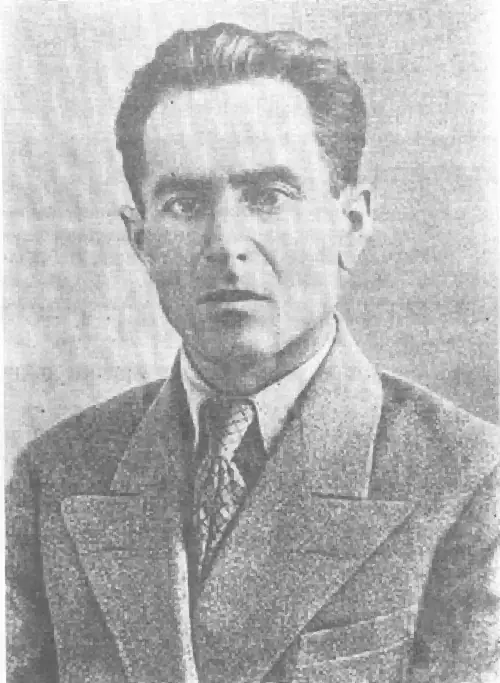
Tembot Kerashev (1902–1988), born in Koshekhabl in today’s Adygea, was a leading Adyghe writer and won the Stalin Prize in 1948. Iskhak Mashbash (1930–2026), poet, writer and translator, wrote more than 80 books in Adyghe, translated the Quran, and was published in English, French, Turkish, Arabic and many other languages; his collected works came out in 20 volumes in 2015. He died in Maykop in September 2026. Their languages live on in the Circassian alphabets and in Kabardino-Balkaria and Adygea.
Music and sport today
Circassian music has its stars: singers such as Cherim Nakhushev and Zaur Tutov, People’s Artist of Russia, and the accordionist Aslan Tlebzu (where to listen). In sport, the judoka Beslan Mudranov, born in Baksan, won Russia’s first gold medal at the 2016 Olympics in Rio. The old ideals of skill and restraint are told in the Circassian warrior tradition.
Why this matters
These lives show how far a small people has travelled and how much it has given, from Cairo and Istanbul to Amman and Maykop. Behind them is a culture and a language that are still alive: learn more in who the Circassians are, and start the language with how to learn Circassian.
Free on iPhone & Android
Circassian language and culture, in one app
Kabardian and Adyghe lessons, Habze culture lessons, a library of books, films and music, and Circassians from around the world to talk to.

4.9 on the App Store 53,000+ people in 100+ countries
Famous Circassians: questions
Who is the most famous Circassian in history?
Among the best known are the Mamluk sultans of Egypt, such as Barquq and Qaitbay, and Maria Temryukovna, the Kabardian princess who married Ivan the Terrible.
Were the Mamluk sultans Circassian?
From 1382 to 1517 they were mostly of Circassian origin, starting with Barquq, who was born in Circassia.
Who was Inal?
The prince of Circassian folklore who united the Circassians; tradition makes his descendants the founders of several princely dynasties.
Which Ottoman figures were Circassian?
Among them the grand vizier Çerkes Mehmed Pasha (1624–1625) and Tirimüjgan Kadın, of Shapsug ancestry, the mother of Sultan Abdul Hamid II.
Who founded Kabardian literature?
Ali Shogentsukov (1900–1941) is regarded as the founder of literature in Kabardian; nearly a century earlier Shora Nogmov wrote the first history of the Adyghe people.
Sources
- Wikipedia (English), “Inal the Great”. en.wikipedia.org/wiki/Inal_the_Great
- Wikipedia (English), “Temruqo the Brave”. en.wikipedia.org/wiki/Temruqo_the_Brave
- Wikipedia (English), “Maria Temryukovna”. en.wikipedia.org/wiki/Maria_Temryukovna
- Wikipedia (English), “Çerkes Mehmed Pasha”. en.wikipedia.org/wiki/Çerkes_Mehmed_Pasha
- Wikipedia (English), “Tirimüjgan Kadın”. en.wikipedia.org/wiki/Tirimüjgan_Kadın
- Wikipedia (English), “Shora Nogmov”. en.wikipedia.org/wiki/Shora_Nogmov
- Wikipedia (English), “Ali Shogentsukov”. en.wikipedia.org/wiki/Ali_Shogentsukov
- Wikipedia (English), “Tembot Kerashev”. en.wikipedia.org/wiki/Tembot_Kerashev
- Wikipedia (English), “Iskhak Mashbash”. en.wikipedia.org/wiki/Iskhak_Mashbash
- Wikipedia (English), “Beslan Mudranov”. en.wikipedia.org/wiki/Beslan_Mudranov
- The sources of the site’s pages on the Circassian Mamluks, Circassians in Jordan, Circassian songs and artists.
Want more like this?
The app has 64 short lessons on Circassian culture and Habze, plus a course in Kabardian or Adyghe to learn the language behind them.
Download free53,000+ people in 100+ countries
