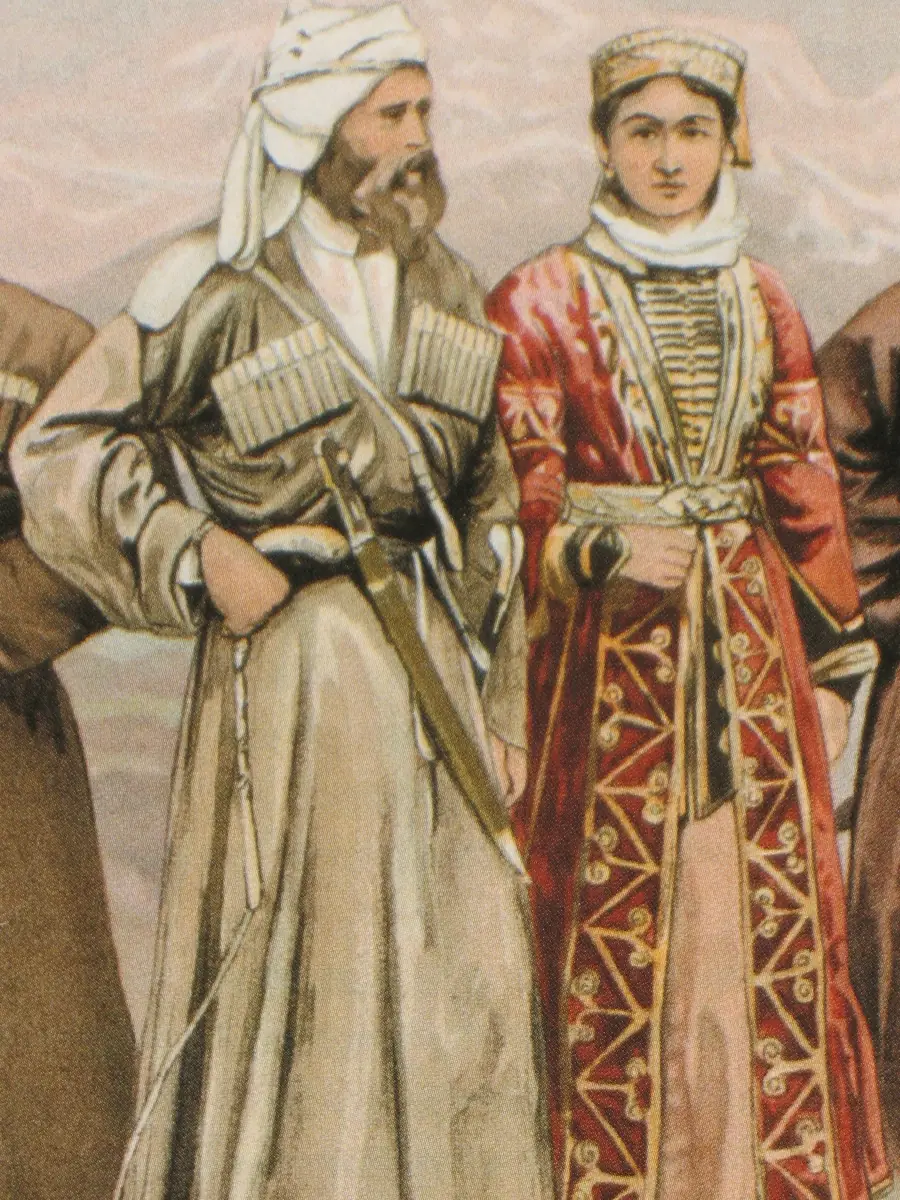
The Circassians, who call themselves Adyghe, are a people native to the Northwest Caucasus. About 5.3 million Circassians live in the world today, most of them outside the Caucasus: in Turkey above all, and in Russia, Jordan, Syria and many other countries. They speak Circassian, in two literary forms, Kabardian and Adyghe, and hold to Habze, an old code of conduct.
Origins in the Caucasus
The Circassians are a Northwest Caucasian people, native to Circassia, a historical region in the North Caucasus. In Russia today their homeland lies in the republics of Adygea, Kabardino-Balkaria and Karachay-Cherkessia and in Krasnodar Krai.
They call themselves Adyghe (Адыгэ). Kabardians, Shapsugs, Abzakhs, Bzhedugs and the other Circassian groups are all Adyghe. “Circassian” is the English name for all of them. In Russian the word «черкесы» once meant all Circassians too, but since Soviet times it has usually meant the Circassians of Karachay-Cherkessia. More on the name in What does Adyghe mean?
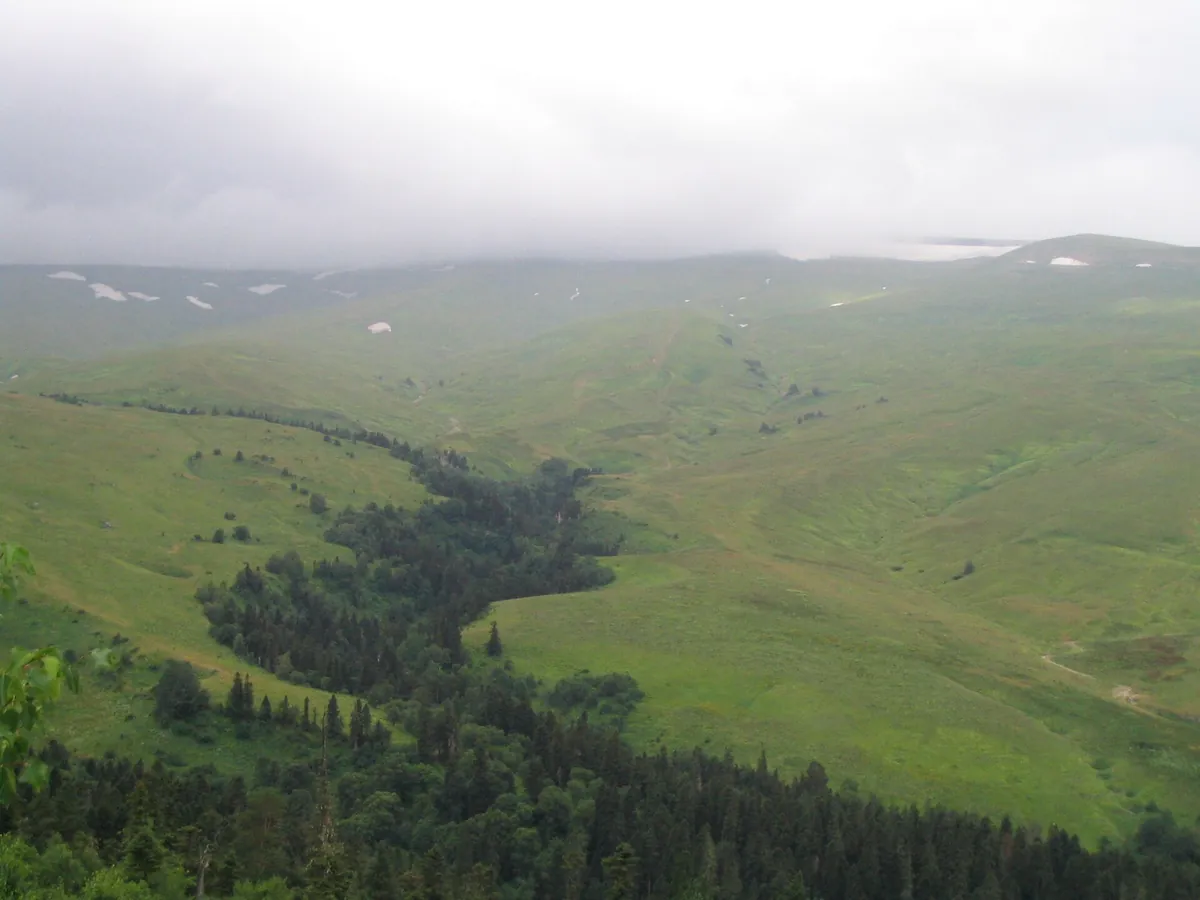
Read more about the homeland in Adygea, the Circassian homeland and Kabardino-Balkaria.
The Circassian diaspora
Most Circassians today live outside the Caucasus. Their families settled in the Ottoman Empire in the 19th century, and their descendants now live in Turkey, Jordan, Syria, Israel, Egypt, Germany, the United States and many more countries.
- Turkey has the largest Circassian community in the world, estimated at 2 to 3 million people: more than the 751,487 Circassians in Russia. Circassians in Turkey
- Jordan has 100,000 to 170,000. Circassians settled in and around Amman and Jerash in the late 19th century and are credited with founding modern Amman; Circassian guards still protect the King of Jordan. Circassians in Jordan
- Syria has 80,000 to 120,000, and two Circassian villages in Israel, Kfar Kama and Rehaniya, still speak Adyghe. Circassians in Israel
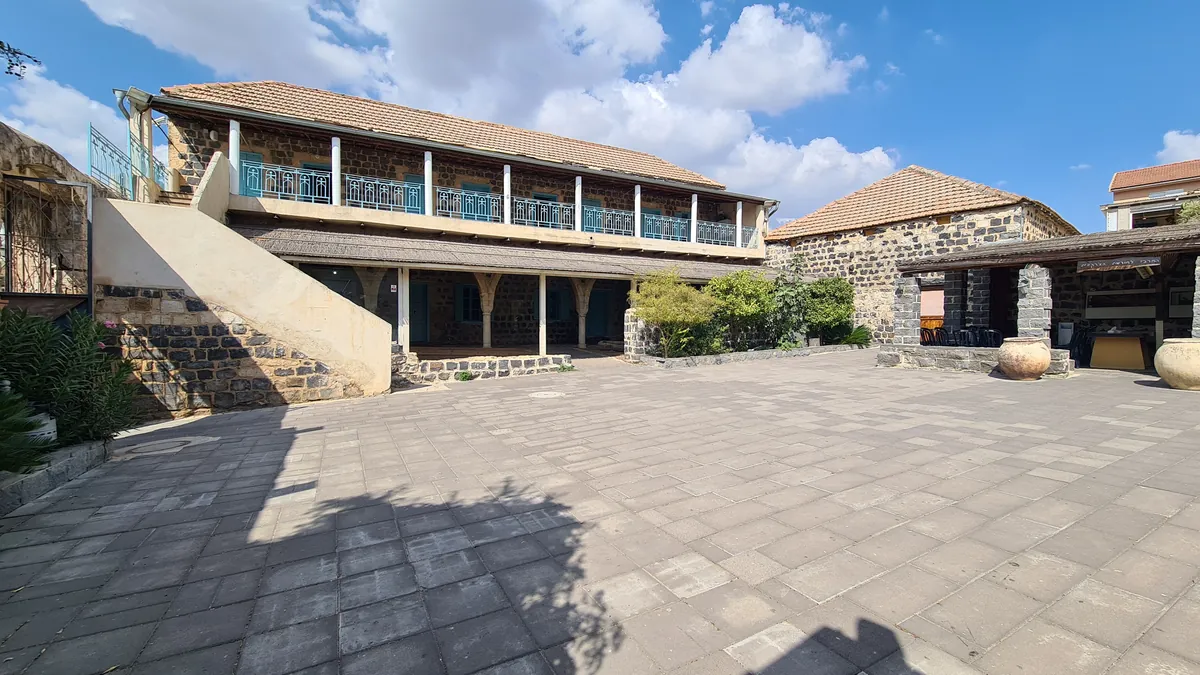
Across the diaspora, Circassian associations teach the language, the dances and Habze. The full picture is in The Circassian diaspora today.
Habze: the Circassian way of life
Habze (Adyghe Khabze) is the traditional Circassian code of conduct. It is tied to Adyghaghe, “Circassianness”: honour, modesty, self-control and respect. It covers everything from how to greet people to how to behave at a wedding or a funeral.
Respect for elders is at its heart. By custom, people stand up when an elder or a guest enters the room, and a young person answers an elder briefly and quietly. Habze also teaches protection of the weak, respect for women, and loyalty to friends and to one’s word.
Hospitality is just as central, and it has been compared to the ancient Greek idea of xenia. Many houses kept a guest room, and well-off families a separate guest house, the kunatskaya. The duty of a host extended even to outlaws. A Kabardian proverb puts it this way:
Адыгэ и хьэщIэр быдапIэ исщ
A Circassian’s guest sits as if in a fortress. (Kabardian proverb)
More in Habze, the Circassian code, Circassian hospitality and Circassian proverbs and their meanings.
The Circassian language and alphabet
Circassian belongs to the Northwest Caucasian languages, together with Abkhaz, Abaza and the extinct Ubykh. The family has no proven relation to any other in the world. Circassian has two literary forms, which some linguists count as two languages and others as dialects of one:
- Kabardian (East Circassian), about 1.9 million speakers, most of them in Kabardino-Balkaria and Karachay-Cherkessia.
- Adyghe (West Circassian), about 600,000 speakers, one of the two official languages of Adygea and widely spoken in Turkey, Jordan, Syria and Israel.
Speakers of the two understand each other, with more or less effort. Both are written in Cyrillic, with letter combinations and the palochka (Ӏ) for sounds Russian does not have: the Circassian App teaches a Kabardian alphabet of 60 letters and an Adyghe one of 66. They differ from the very first words:
| English | Kabardian | Adyghe |
|---|---|---|
| hello | ФIэхъусF'eĥus | СэламSelam |
| thank you | УпсэуUpsew | ТхьауегъэпсэуThaweyeghepsey |
| goodbye | ФIыкIэF'yk'e | ХъяркIэKhyark'e |
UNESCO lists Circassian as a vulnerable language. In the diaspora many children grow up speaking Turkish, Arabic, English or German at home, so fewer learn Circassian from their parents. More in Kabardian vs Adyghe, the Circassian alphabet and how to learn Circassian.
60-second lesson
Five words for the Circassian homeland
The mountains, the sea and the rivers of the Caucasus, in both dialects. Tap a word to hear it in Kabardian (East) and Adyghe (West), then take the quiz: the app’s own question, five rounds.
The quiz needs JavaScript.
In the app, questions like these are in every lesson, and the words you get wrong come back for review sooner.
All the nature words, in both dialects, with example sentences: Nature words in Circassian. In the app they are in the “Landscape” and “Elements” units (Section 2, My World).
Circassian culture and traditions
The warrior tradition
Horsemanship, the shashka and a code of honour. The Circassian warrior tradition
Dance and music
The wuj circle dance, the slow qafa and the fast islamey, to the shichepshin fiddle and the pkhachich rattle. Circassian dance · music
Clothing
The cherkeska with its gazyrs, the papakha, the long dress and the cap. Circassian clothing
Food
Circassian cheese, chicken in walnut sauce, and pasta, a stiff millet porridge eaten instead of bread. Circassian food
The flag
Green with twelve gold stars and three crossed arrows. The Circassian flag
The Nart sagas
Sosruko born from a stone, wise Satanaya, Tlepsh the smith. The Nart sagas
Weddings, names and the long story of “Circassian beauty”, an idea found in Middle Eastern folk songs and Western poetry for centuries, have their own pages: Circassian weddings, Circassian names and Circassian beauty in history.
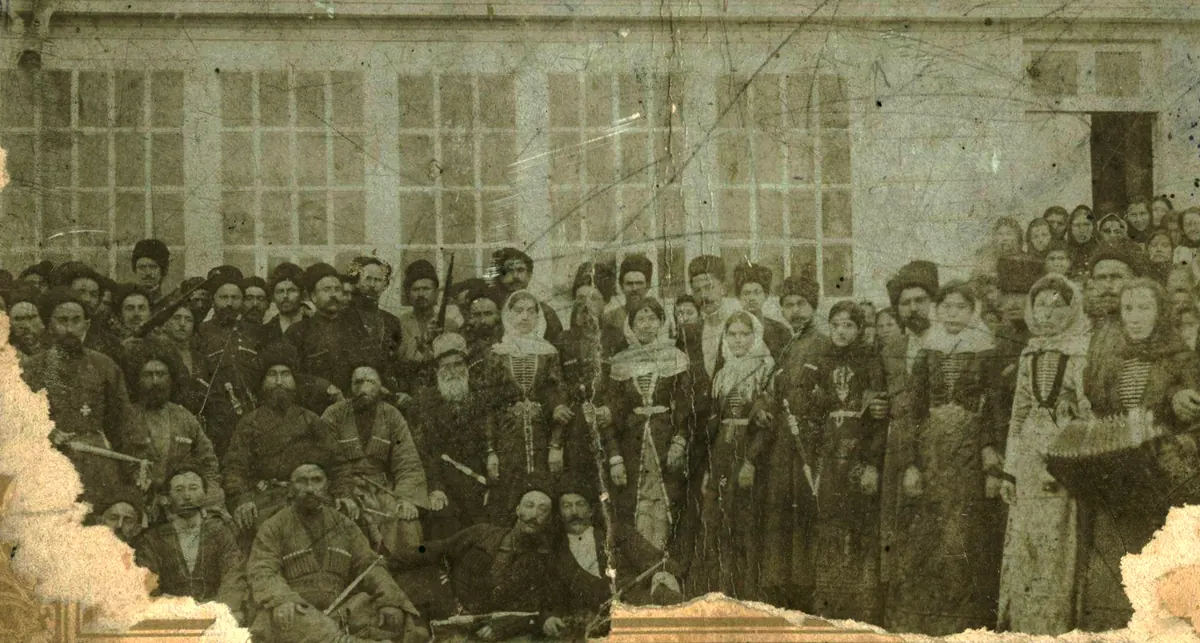
Circassians in history
- The Circassian Mamluks: the Burji sultans ruled Egypt from 1382 to 1517, and many of them were Circassian. The Circassian Mamluks
- Maria Temryukovna, daughter of the Kabardian prince Temryuk, was tsaritsa of Russia from 1561 to 1569 as the wife of Ivan IV.
- In Jordan, Circassians helped build modern Amman, and their guard still stands beside the King.
More names in Famous Circassians in history.
Why it matters now
The generation that grew up speaking Circassian at home is getting older, and the diaspora is spread across dozens of countries. For many young Circassians the way back to the language now runs through community events, social media and apps. Keeping Circassian alive means more than words and grammar: it carries Habze, the songs, the proverbs and the names.
Free on iPhone & Android
Meet Circassians from around the world
Community chats, voice rooms and private messages, plus Kabardian or Adyghe lessons to learn the language along the way.

4.9 on the App Store 53,000+ people in 100+ countries
Circassian people: questions
Who are the Circassians?
A people native to the Northwest Caucasus who call themselves Adyghe. About 5.3 million live in the world today, most of them outside the Caucasus, above all in Turkey.
Are Circassians and Adyghe the same people?
Yes. Adyghe is their own name for themselves; Circassian is the English name. In linguistics, “Adyghe” also names West Circassian, one of the two literary forms of the language.
Where do Circassians live?
In Russia (Adygea, Kabardino-Balkaria, Karachay-Cherkessia, Krasnodar Krai) and in a large diaspora: Turkey (2 to 3 million), Jordan, Syria, Israel, Egypt, Germany, the United States and more.
What language do Circassians speak?
Circassian, a Northwest Caucasian language with two literary forms: Kabardian (East Circassian, about 1.9 million speakers) and Adyghe (West Circassian, about 600,000). In the diaspora many also speak Turkish, Arabic or English.
What is Habze?
The traditional Circassian code of conduct: respect for elders, hospitality, modesty, loyalty and honour.
What religion are Circassians?
Most Circassians today are Sunni Muslims; smaller numbers are Christian or follow the old Habze beliefs.
Are Circassians Arabs, Turks or Russians?
No. Circassians are a distinct people native to the Northwest Caucasus, and their language belongs to the Northwest Caucasian family: it is not Semitic, Turkic or Slavic. Many Circassians are citizens of Turkey, Jordan, Syria or Russia, and carry both identities at once.
Sources
- Wikipedia (English), “Circassians”. en.wikipedia.org/wiki/Circassians
- Wikipedia (English), “Adyghe Khabze”. en.wikipedia.org/wiki/Adyghe_Khabze
- Wikipedia (English), “Circassian languages”. en.wikipedia.org/wiki/Circassian_languages
- Wikipedia (English), “Northwest Caucasian languages”. en.wikipedia.org/wiki/Northwest_Caucasian_languages
- Wikipedia (English), “Circassians in Jordan”. en.wikipedia.org/wiki/Circassians_in_Jordan
- Wikipedia (English), “Maria Temryukovna”. en.wikipedia.org/wiki/Maria_Temryukovna
- Wikipedia (English), “Circassian beauty”. en.wikipedia.org/wiki/Circassian_beauty
- Wikipedia (English), “Circassian cuisine”. en.wikipedia.org/wiki/Circassian_cuisine
- Wikipedia (Russian), «Адыги». ru.wikipedia.org/wiki/%D0%90%D0%B4%D1%8B%D0%B3%D0%B8
- Kabardino-Cherkess–Russian dictionary, Apazhev & Kokov (Nalchik, 2008), p. 388 (пIастэ), as built into the Circassian App.
- The guest proverb: the Kabardian Wikipedia list «Адыгэ Псалъэжьхэр», with its meaning from the Circas.ru collection (see the proverbs page).
- Words and audio: the Circassian App’s first Kabardian and Adyghe lessons.
Meet Circassians from around the world
Chat with Circassians in Turkey, Jordan, Russia and beyond, and learn Kabardian or Adyghe together in short daily lessons.
Download free53,000+ people in 100+ countries
